Equa Blog - News, Views and Ethical Styling...

Monday, 27 September 2010

New Season at Equa

It's one of my favourite times of the year with boxes full of new season goodies arriving at Equa every day!  

Here are a few of my favourites:


Aura Que Large Shopper Handbag
I love the juxtaposition between the textured cable knit and the smooth leather. The panels are knitted by hand from natural banana yarn that comes from sustainably pruning the outer layers of the banana trees after the fruit harvest in South Nepal.


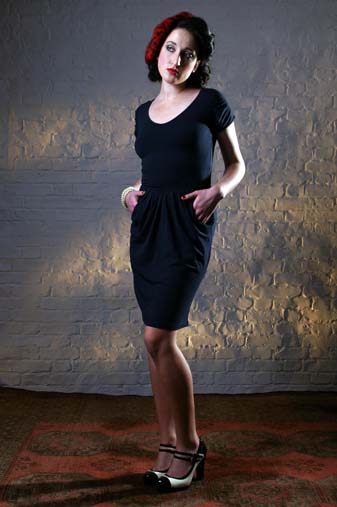
I practically live in jersey dresses, they are just so comfortable. This one nips in at the waist with draping that will give an hour glass figure worthy of Joan from Mad Men. Made from organic cotton.
                                                                                                                                                        
Terra Plana Janis Boots                                          
I've had my eye on these boots for a while now. The panel on the back is made using recycled quilts which means that every pair is a limited edition. You never know what colour you wil get and I  love that element of surprise!

 
Made Multi Shape  Earrings                                       
 With a brass heart, circle and square, these have a playful element which I really like. Made under fair trade conditions by artisans in Kenya.

To view more of the new season collections at Equa Click Here >>

Monday, 13 September 2010

Designer Interview - Nancy Dee

For September we are delighted to introduce Seraphina from Nancy Dee for our monthly interview. 


At Equa Nancy Dee is gaining a bit of a following for it's gorgeously easy-to-wear jersey dresses. Nancy Dee collections are made using only high quality sustainable and organic fabrics, from super soft soya and organic cotton to luxurious modal.


Image: Nancy Dee Autumn/Winter 2010 collection
In a nutshell what was your initial motivation for becoming involved in ethical fashion?


When my sister and I decided to create Nancy Dee, it was on the proviso that any new company had to be as ethical and as environmentally-friendly as possible. We’d read so much about the negative impact of the fashion industry and we didn’t want to be part of it. It was just the right thing to do, simple as that. Tamsin and I strongly believe that in this day and age anyone about to set up a new company - and even those existing - should do it with a social conscience. Everyone has a responsibility to look after this planet and those that are on it, it's time to stop passing the buck. We can no longer use excuse ourselves because we don't know enough about it. We feel a personal obligation to do things right, and that’s really where it started from.


What does ethical fashion mean to you?


It means that the fashion label is taking steps to bring the consumer responsibly sourced clothing. Different companies have different ways of doing this, such as only using organic and natural fabrics, ensuring the factories they use are audited properly to ensure the workers are paid a fair wage and treated fairly, using only natural dyes and more. It's not always possible to tick all the right boxes, but the important thing is to strive for these things, always aim to make things better for your company, the consumer, the workers and the environment.

What challenges do you face as an ethical label?

The biggest challenge for us is finding reliable factories to manufacture our garments. Quality control is not as paramount as it needs to be with some of the factories we work with, so it's very important we spend time with the workers at their factory so we can guide them through each design.

Fabrics are also more costly when using organic material and often not as good quality; this can make it quite a challenge to keep our prices competitive and it’s very time-consuming sourcing the best fabrics.

Personally as the designer of Nancy Dee I strive to make our label fashionable and versatile, I want people to purchase a garment from us because they love the design, the print and the fit, not because of the ethics – that’s just a massive bonus! I try to inject youth and forward fashion into the pieces, while keeping them balanced enough for them to be worn season after season.

Image: Nancy Dee Autumn/Winter 2010 Collection


What are the inspirations behind this season's collection?


The A/W collection came about from my love of the 1940s era. I'm very inspired by vintage generally, and often look to films and characters for my inspiration. I build up a fantasy character and play out her role with the different designs, trying to cover every event!


So for this collection I took to my history of fashion books and looked at the silhouettes of the ‘40s and subtle details that make the era so enticing. The whole collection is made from our jersey bamboo and organic cotton. This can be difficult fabric for some women to embrace wearing, so I used pleating and tucking to create the shapes and styles that women can feel feminine and comfortable wearing.


What advice would you give anyone looking to make their wardrobe more ethical?

There are loads of ethical brands out there, so do a little research, and don't assume you can't get what you want ethically! Ethical fashion has come on in leaps and bounds, with fashion forward ideas and none of these hemp sacks. Look out for the relevant labelling, and make sure you understand it. But most importantly love the clothes you buy, ethical fashion is not disposable fashion.


Who are your style icons?

I'm a bit of a hippy at heart, so I love Nicole Richie's boho chic style. Others include Juliette Lewis (she really knows how do to do the glam rock look), and Chloe Sevigny (always a little kooky and nerdy, but always very sexy). And as I mentioned before, I often gain inspiration from film characters to, and look back to other eras for something unique. But there is also so much inspiration to take from individuals I see around town, style icons in their own right.

What is the most treasured item in your wardrobe and where did it come from?
It's a little silly, but I have this black crocheted waistcoat, think it might well be from the ‘70s. We had a dressing up box as kids and it's one of the pieces from the box, saved after all these years! I wear with everything I can, absolutely love it.


As a child what did you want to do when you grew up?


I wanted to win an Oscar! I was quite dedicated to my acting way back then, and was convinced I'd become a Hollywood star...... bless. Needless to say life didn't pan out that way, well not yet at least!!!


Tell us something you are really excited about...


I'm really excited about the collection I'm working on right now, A/W11. It's a slightly different look from the classic retro 1940s style you've seen before, and I'm not saying any more than that!


Tell us something that really gets on your nerves....


Computers! I don't like them and they don't like me.... enough said.


What's next for your label?


We're off to Paris at the beginning of September for our first time at Pret-a-Porter trade show to promote our next spring/summer collection. We're really hoping to gain more international stockists which will help us expand as a business. Also our collections are growing each time, more pieces and new fabrics, which makes designing very exciting.
Image: Nancy Dee Autumn/Winter 2010 Collection


Thank you Seraphina. We are very excited to see what you and Tamsin come up with next!


The Nancy Dee Autumn Winter collection will be arriving at Equa very soon. To keep an eye out for it click here >>
   

Thursday, 9 September 2010

Organic Fortnight - Why buy Organic Cotton?

What is Organic Cotton?

Organic cotton is cultivated without the use of pesticides and fertilisers. Organic farming aims to maintain a balance with nature by using low impact techniques.

There are far reaching environmental benefits, the soil is more fertile and the absence of chemicals promotes biodiversity. Organic farming relies on a maintaining a good soil structure. One key benefit is that the soil holds water more efficiently, so although cotton is a thirsty crop less water is wasted.


What are the benefits for the farmers?
Organic cotton allows farmers to earn a better income through the premium associated with organic cotton. Crop rotation helps the farmers to diversify their crops, so that they don’t have to depend solely on their cotton yield.


Their production costs are reduced, as they are no longer dependent on costly pesticides. This is vital as it allows farmers and their families more financially stability.

A major benefit to farmers and their families is improved health, allowing them to work and live in a safer environment.


Certification
For a farm to become certified as organic can take 2-3years. A product sold as organic must comply with strict regulations and standards which are upheld by the certifying body.

The Soil Association has a certification body so look out for their logo. To learn more please visit their website.

There are other organic certifications you can look out for such as SKAL and GOTS.


Fairtrade Cotton
Fairtrade addresses the social standards of the workers in the chain of production. The main principles are based around buyers paying a sustainable price for products which is filtered all the way down the supply chain. This allows the producers to earn a living wage whilst working in decent conditions. One does wonder how much the traditional cotton farmer earns if the consumer is paying £2.50 for a cotton t-shirt!

Fairtrade and organic compliment each other perfectly, the combination of an environmental stance and belief in humanitarian principles makes for a sustainable and ethical product.


Currently only a small fraction (0.15%) of the worlds cotton production is organic. As consumers we have the choice and power to support the Organic Cotton industry for a more sustainable future.... BUY ORGANIC!


To view a selection of organic cotton products available at Equa click here>>


Sources: Soil Association, Pesticide Action Network UK, Organic Exchange, Sustainable Fashion & Textiles by Kate Fetcher

Monday, 6 September 2010

Organic Fortnight - Organic Cotton vs. Conventional Cotton

There are many socio-economic as well as environmental consequences to the production of non organic cotton.

Hazardous Pesticides:
Conventionally grown cotton is a pesticide intensive crop, including insecticides, herbicides and fungicides.


Only 2.5% of world wide agricultural land is used to grow cotton; however 10% of all pesticides and 22% of all insecticides are used in cotton farming.


The use of pesticides has far reaching impact to an area’s eco system; polluting rivers and ground water as well as releasing large amounts of carbon dioxide into the atmosphere and depleting soil fertility.


Water Resources:
Intensive cotton cultivation also uses vast amounts of water for irrigation. It takes an average of 2000 litres of water to make one ordinary t-shirt and a shocking 6800 litres to produce one pair of jeans!


Health Risks:
Besides the devastating consequences for the environment that mass use of pesticides produces, there are also grave consequences for the farmers who come into contact with them on a daily basis.


It is the farmers in the developing world that are most at risk. They often lack the necessary safety equipment which puts their health at risk. Between 25 million and 75 million agricultural workers suffer from acute pesticide poisoning every year.


Economic Vulnerability:
As traditional cotton farming is a mono-culture, farmers are solely dependent on their cotton crop yield. Soil degradation due to pesticides use causes declining crop yields affecting the farmer's livelihood.

The continuous use of pesticides means that year on year more is needed to produce the same effect. As pesticides account for approximately 50% of framers costs, they can often find themselves in dept to the pesticide manufactures.


This when combined with artificial fluctuations in world market cotton prices, reduces small farmers profits even further making them one of the most vulnerable groups in the developing world.


Child Labour:
In the region of 250 million children worldwide are compelled to work, over 70% in the agricultural sector, which includes cotton production. As childrens bodies are still developing they are all the more vulnerable to the health risks assosciated with pesticide use.


In the next post we will view the issue in a positive light, exploring the benefits of organic cotton...

Sources: Soil Association, Pesticide Action network UK, Organic Exchange, Sustainable Fashion & Textiles by Kate Fetcher

Wednesday, 1 September 2010

Organic Fortnight 3rd - 17th September


In support of the Soil Association’s annual Organic Fortnight Equa is delighted to offer a 10% discount valid during Organic Fortnight on non sale items.


We will also be featuring blog posts dedicated to organic cotton, outlining the hazards of traditional cotton farming and explaining the benefits of organic cotton.


If you would like to know more about the Soil Association, organic certification and more ways to take part in Organic Fortnight please click here>>


To claim your 10% discount enter the voucher code: ORGANIC10 at the checkout of Equa's online shop. You can also quote this code at the London boutique. This will allow you to have 10% off non sale items such as Soil Association certified organic denim Monkee Genes.


Wednesday, 25 August 2010

Caring for your Clothing - Hand washing


Hand washing clothes may seem like a time consuming, unnecessary process but it can help maintain the quality of your delicate clothes, including lingerie and knitwear. It is handy when you have only a few items you need clean that wouldn't be enough to fill the machine.

Here is Equa's guide to washing by hand......
  • Plug the sink and add 1/4 cup of delicate washing detergent. Ideally use an eco detergent specifically for delicate hand washing.
  • Fill the sink with the correct water temperature listed on the clothing labels, remembering to leave room for the clothing!
  • Turn all the garments inside out to avoid fasteners catching on the fabric
  • If you have garments of various colours to wash, start with the lightest in case there is any colour run from the darker items.
  • Get the clothing wet and soapy. If you are washing one item, allow it to soak for 5 mins, if you're washing more, leave for 15-20mins
  • Remove marks and stains by rubbing the fabric together. Be careful not to be too vigorous with delicate fabrics. You can also use a spot cleaner for tough stains.
  • Knead the items like you would bread dough, squeeze each item to circulated the water through the fabric, repeating several times.
  • Remove clothing from sink, squeezing out some of the excess water.
  • Empty the sink and refill with clean water at the same temperature. Rinse clothing thoroughly.
  • Repeat this process until the water remains clear, making certain all the soap has been removed. 
  • Squeeze delicate items, being careful not to wring/twist knitwear as it may distort the shape.
  • For knitwear you can roll items in a towel ans press to remove excess moisture.
  • Hang or lay flat to air dry. 
We hope this helps....happy washing!

Monday, 23 August 2010

New Season Sneak Preview

Although we're still in the full flow of summer, with the hope of a long indian summer to come, here at Equa we can't help looking forward to the idea of wrapping up in layers and pulling on a lovely pair of boots. So here's a little preview of things to come for Autumn/Winter 2010 .....

Alaia Top by Komodo


Drape Cardigan by Bailey


Nancy Dress by People Tree


Kiren Stripe Knit by Komodo


We just can't wait for the new deliveries to arrive.......!


Wednesday, 18 August 2010

August Picnic Window Display

We based our August window display around a balmy summer picnic complete with cup cakes and friendly insects!


The outfits featured, from left to right:

Clown Dress by Annie Greenabelle

Oona Pocket Tunic by Stewart+Brown
Bow Clutch by Julia Smith

Inky Black Organic Jeans by Monkee Genes

Monday, 16 August 2010

Designer Interview - Outsider

This month we'd like to welcome Noorin Khamisani, designer of chic ethical label Outsider, to the hot seat!

Outsider creates elegant garments with a timeless feel. These are clothes to wear and love season after season. From our experience in the Equa boutique they also look beautiful on a wide range of ages, shapes and sizes.

Image: Outsider,  Autumn Winter 2010

In a nutshell what was your initial motivation for becoming involved in ethical fashion?

After working for both small designers and larger brands - I became inspired to try to make clothes in a better way. I couldn't find things to buy that I liked and that were ethically produced and in my price range - so I started to try to solve my own wardrobe problem really.


What does ethical fashion mean to you?


Garments which are made from sustainable fabrics, by grown ups, styles which are versatile and flattering whatever your age or shape, and that will last more then one season. I try to think about the ethical approach in as many ways as possible.


What challenges do you face as an ethical designer?


All small labels face similar challenges but when trying to work ethically it can take longer to be understood bythe people you need to work with. I spend a lot of time sourcing fabrics because of the research it takes to ensure they are as sustainable as possible while still achieveing the look and feel I require. This is becoming less and less of a problem but some people still assume that as an ethical designer you must be making nothing but organic t-shirts with slogans on them - so it is a challenge to show that ethical fashion can just look like fashion. But challenges are good - they push you to learn and explore and that definitely helps you grow as a designer.


What are your inspirations for this season’s collection?


My collections are always a mish mash of everything I have seen/heard or thought about while designing so I always find it hard to pin down. I start with fabrics though and for Autumn/Winter 2010 I found the most gorgeous Merino wool and a colour grown cotton in a champagne coloured stripe. I was also inspired by timeless 1930s shapes.


What advice would you give anyone looking to make their wardrobe more ethical?


Start with a few key items from Ethical labels that you can wear a lot - tailored jacket, shirt dress, jersey tops - then you can see how they work with what you have and build up from there. Versatile items are essential to avoid those "I have nothing to wear" moments - for me a shirt dress always saves the day!
Image: Outsider, Autumn Winter 2010


Who are your Style Icons?


Oh this is predictable - Coco Chanel!


What is the most treasured item in your wardrobe and where did it come from?

A printed cotton dressing gown from the Hilton Abu Dhabi, my father took it when he was there in the late seventies, I still wear it and love it - though technically it was stolen, first from the hotel and most recently from my mum!


As a child what did you want to do when you grew up?


I always wanted to make things / be creative.


Tell us something you are really excited about…

My new SS11 collection which I've just finished and starting research for my next collection.


What's next for your label?

I hope to continue to do what I do - creating new classics!


Image: Outsider Autumn Winter 2010
Thank you Noorin. We look forward to seeing what you do next.

To View the current Outsider collection at Equa click here >>

Wednesday, 11 August 2010

Caring for your clothes- Laundry Care Symbols


If you have ever been mystified by the laundry care symbols in your clothes, here is Equa’s comprehensive guide to understanding what these symbols mean.


MACHINE WASH
This symbol tells you that the item can be machine washed. It will also indicate the maximum temperature it can be washed at, usually indicated in degrees centigrade (°C) or with dots.


1 dot=30°C 2 dots=40°C 3 dots=50°C 4 dots=60°C 5 dots=70°C


At Equa we recommend washing your garments at 30°C.The majority of energy used in a washing machine comes from heating the water. By reducing the temperature you will be saving energy.

If you are concerned that your clothes will not be cleaned properly at a lower temperature, look for a cold water detergent. Washing at a lower temperature will also protect your clothing as hot water can shrink, damage the fabric and fade your clothes.


HAND WASH
This means the item is too delicate for the washing machine and should be washed by hand. Some washing machines have a hand wash cycle that would be suitable.


DO NOT WASH IN WATER   
This indicates that the item of clothing must not be washed in water, not even hand washed. This symbol would be accompanied by a dry cleaning symbol.


DRY CLEANThis is the standard dry cleaning symbol.There are many variations that your dry cleaner will understand.


DELICATE
Items with the delicate symbols should be washed separately on the delicate cycle, as shown by the line under the machine wash symbol. You can even put items such as lingerie in a pillow case so that the fastenings do not snag other items.


BLEACH
You may bleach these items with any type of laundry bleach. Do be careful to follow instructions as too much bleach can destroy your garments.


DO NOT BLEACH
Do not use any type of bleach on these items, as it would damage them irreparably.


COLOUR FAST BLEACH ONLY
Do not use any bleach that contains chlorine. You can find ‘colour fast bleach’ which does not contain chlorine easily. This is also a better eco option that traditional bleach.


TUMBLE DRY
This symbol indicates the garment can be tumble dried. The dot in the centre indicates the maximum heat: 1 dot for low heat, 2 dots for medium and 3 for high.


DO NOT TUMBLE DRY
This indicates the item cannot be dried in a tumble dry and needs to be air dried. Usually there is an accompanying symbol that tells you the best method to air dry.


HANG TO DRY: hang on a clothing line, drying rack or hanger to dry


DRY FLAT: shape and lay the item flat to dry, works best if placed on a folded towel.


DRIP DRY: do not shape or wring out too vigorously and allow to drip dry


DO NOT WRING: this item is delicate and will be misshapen if wrung out, allow to drip dry


DRY IN THE SHADE: do not dry in direct sunlight as it might fade the garment


IRON
This indicates that you can iron your garment. Once again if there is a dot this indicates the temperature setting. 1 dot for low setting, 2 for medium and 3 for high.


DO NOT IRON
This garment cannot be ironed. It will either need to be pressed professionally or can simply be hung up as soon as it comes out of the washing machine allowing the creases to fall out as it dries.